Visual communication has changed a lot in recent years. Businesses now depend on high-quality LED displays to share ideas, present data, and connect with people. From offices to large venues, the demand for a powerful digital display is growing fast.
Traditional screens often fall short. They have visible gaps and limited flexibility. This is where Direct View LED displays or dvLED displays come in. They offer a smooth and immersive viewing experience that fits modern needs.
If you are exploring a LED display for the office, dvLED technology is worth understanding.
Direct View LED displays use tiny LEDs to create images directly on the screen. Unlike LCD panels, they do not need a backlight. Each pixel produces its own light. This leads to better brightness and deeper contrast.
These LED displays are made using modular panels. These panels come together to form a single large LED screen. The result is a smooth and continuous visual surface.
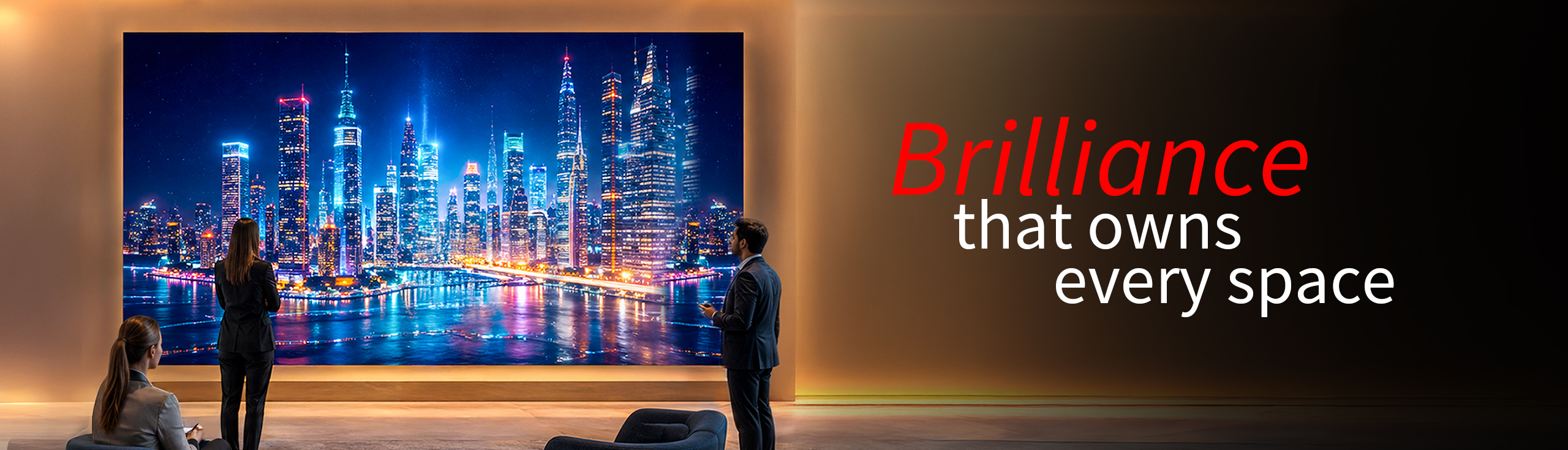
The biggest advantage is the absence of bezels. A Bezel-free LED display removes visible lines between panels. This creates a unified image that feels natural to the viewer. For businesses, this means better presentations and better engagement.
1. Bezel-Free Design
A Bezel-free LED display offers a clean and uninterrupted surface. This is perfect for professional environments where visual quality matters.
2. Fine Pixel Pitch
Pixel pitch defines the distance between LEDs. A smaller pitch means sharper images. This makes these LED displays suitable for close viewing in offices and meeting rooms.
3. High Brightness and Contrast
These Direct View LED displays perform well in bright environments. Whether it is a boardroom or a lobby, the content stays clear.
4. All-in-One Integration
Many systems come with built-in controllers. This simplifies the setup. It also reduces the need for extra hardware in an LED display for corporate settings.
5. Flexible Size and Design
You can scale the display based on your needs. From a compact LED display for the office to a large LED screen, the options are flexible.
1. Corporate Offices
Modern offices use conference displays for meetings and presentations. dvLED improves clarity and collaboration. An LED display for corporate settings creates a strong impression during client interactions.
2. Retail Spaces
Retail stores use LED displays to attract customers. A bright and seamless digital display can showcase products in a better way.
3. Education
Schools and training centers benefit from clear visuals. A large LED screen helps students see content without distortion.
4. Control Rooms
In monitoring centers, data must be visible at all times. Direct View LED displays provide reliability and clarity.
5. Public Venues
Auditoriums and event spaces need large visuals. A large LED screen helps deliver content to a wide audience.
1. Visual Experience
Traditional video walls have visible borders. Direct View LED displays offer a seamless experience. This improves the overall impact of the content.
2. Scalability
LCD screens come in fixed sizes. LED displays can be customized. You can create anything from a small screen to a large LED screen.
3. Maintenance
Modern Direct View LED displays are designed for long-term use. They require less frequent servicing compared to older systems.
1. Pixel Pitch and Viewing Distance
If viewers sit close, choose a finer pixel pitch. This is ideal for conference displays and meeting rooms.
2. Space and Usage
Think about where the display will be used. A LED display for the office may need a different setup compared to a public venue.
3. Budget and Goals
A good LED display for corporate setting should match your business goals. It should also offer long-term value.
More businesses are moving to Direct View LED displays. The reasons are simple. They offer better visuals, flexibility, and durability.
As communication becomes more visual, the role of LED displays will continue to grow. From small offices to large installations, dvLED is becoming a preferred choice.
Seamless visuals are no longer optional. They are a key part of modern communication. Direct View LED displays provide clarity, flexibility, and performance.
Whether you need a LED display for the office or a large LED screen for public use, dvLED technology offers a future-ready solution.
Businesses that invest in better conference displays and high-quality digital display systems will stand out. They will communicate better and create stronger impressions.
